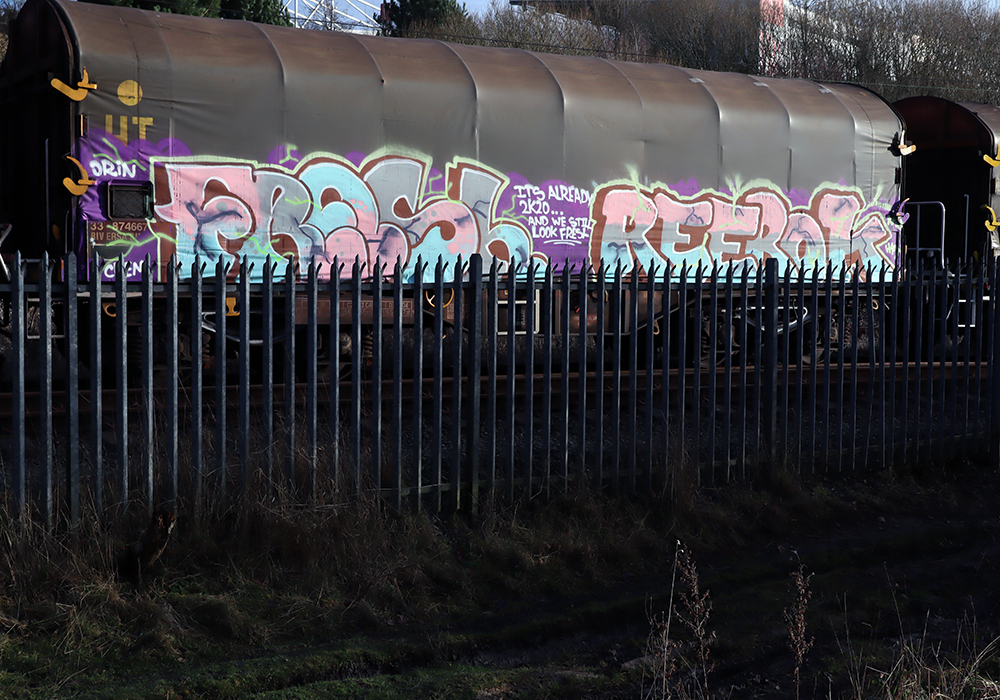
After frequent visits to North West Poland between the late 00s and the mid-teens, I finally got the best spots to buy paint dialled down. The areas I was frequenting back then weren’t your typical tourist traps, and with not speaking much of the Polish language, I found it hard to navigate online searches to find what I needed to paint.
The local graffiti shops weren’t particularly ‘graffiti shops’ per se. They were Hip-Hop stores with a closet full of old Hardcore, and towards the end, the introduction to Dope cans. The one thing that these stores managed to acquire, however, was a variety of nationally sourced literature.
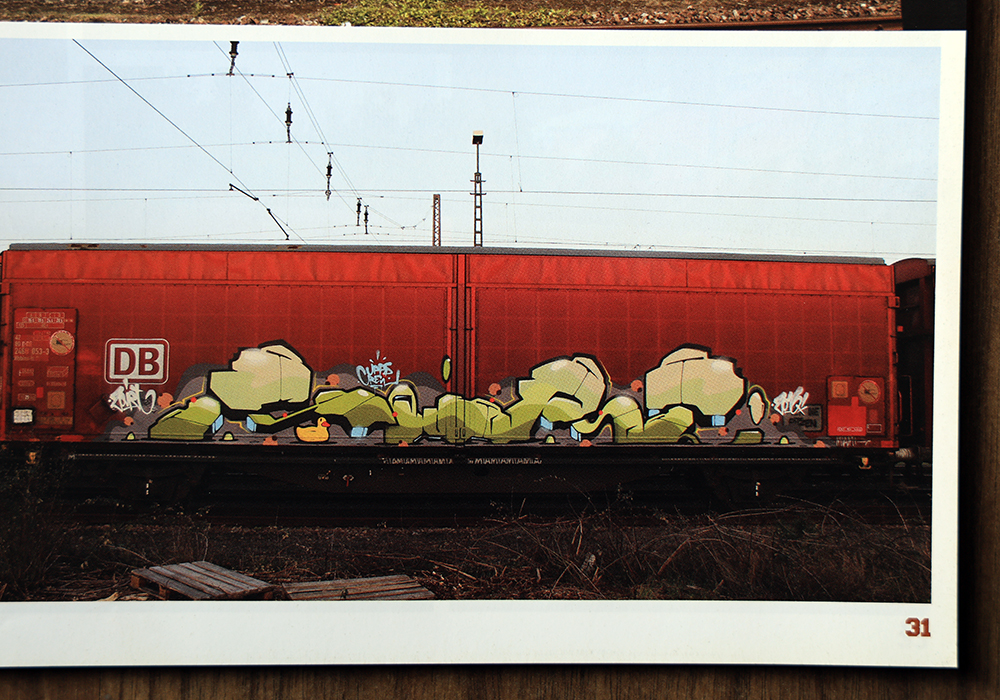
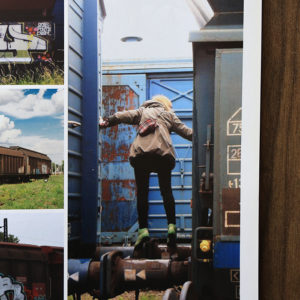
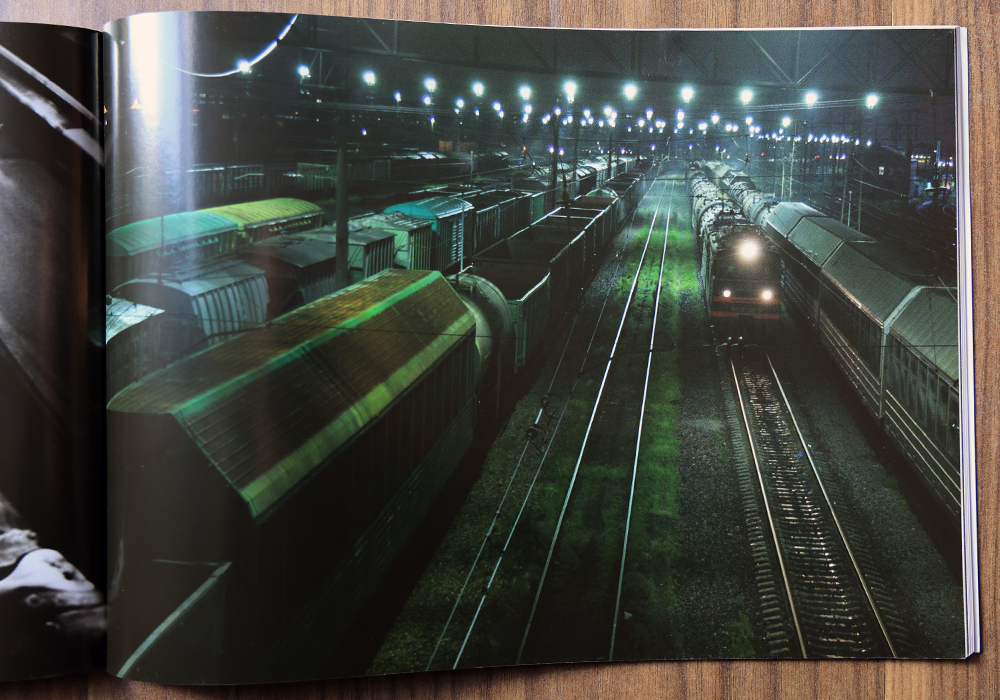
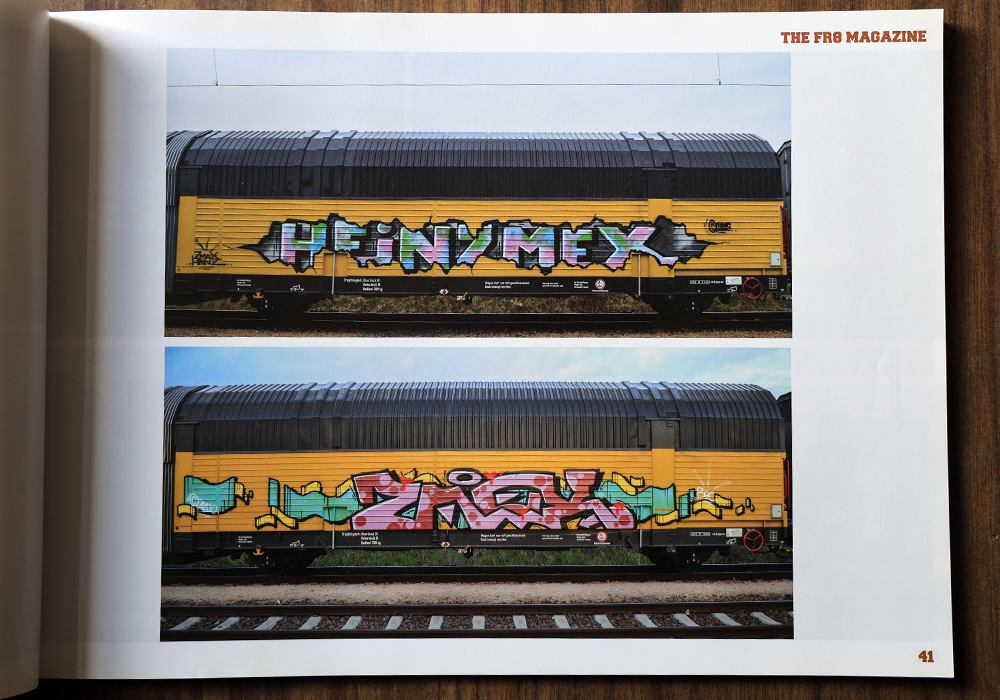
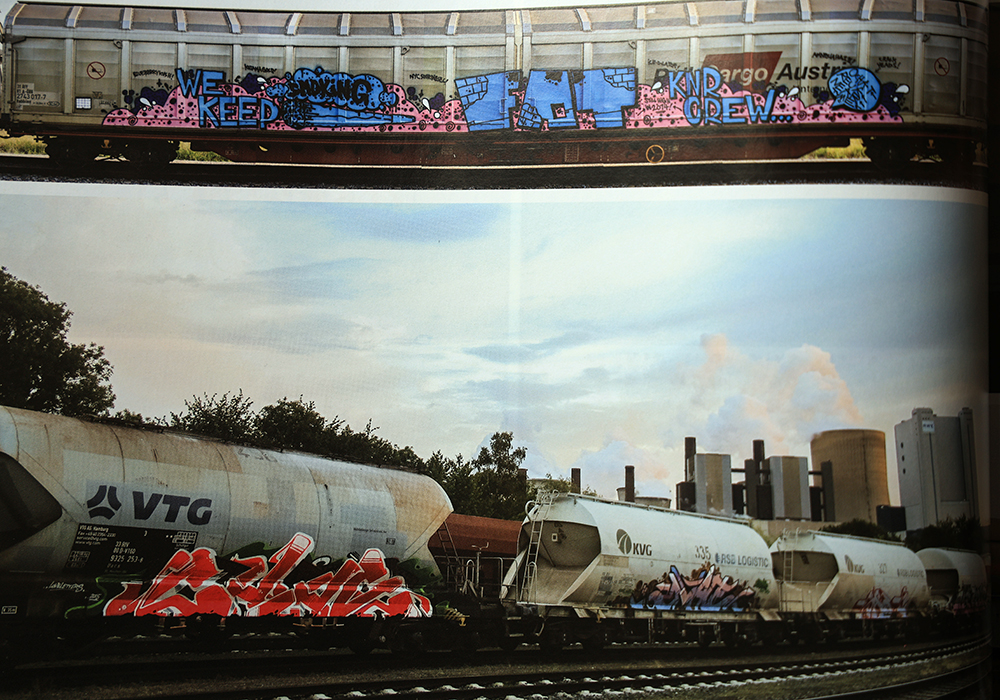
One that stood apart from the rest was a mag, whose orientation was laid out similarly to Stylefile, think elongated productions via a full gloss cover, and tucked away from the other more developed mags like Concrete was ‘The FR8 Magazine.
It would be the first time I’d seen a magazine solely dedicated to freight graffiti. In the UK at that time, freight might get half a page or so in publications, but it wasn’t popular enough to get a look in here. This magazine was something that covered as many regional writers and their styles as it could. I recall there being maybe five issues? Over a period of 5 years, possibly? However, I managed to collect most whilst I was travelling.
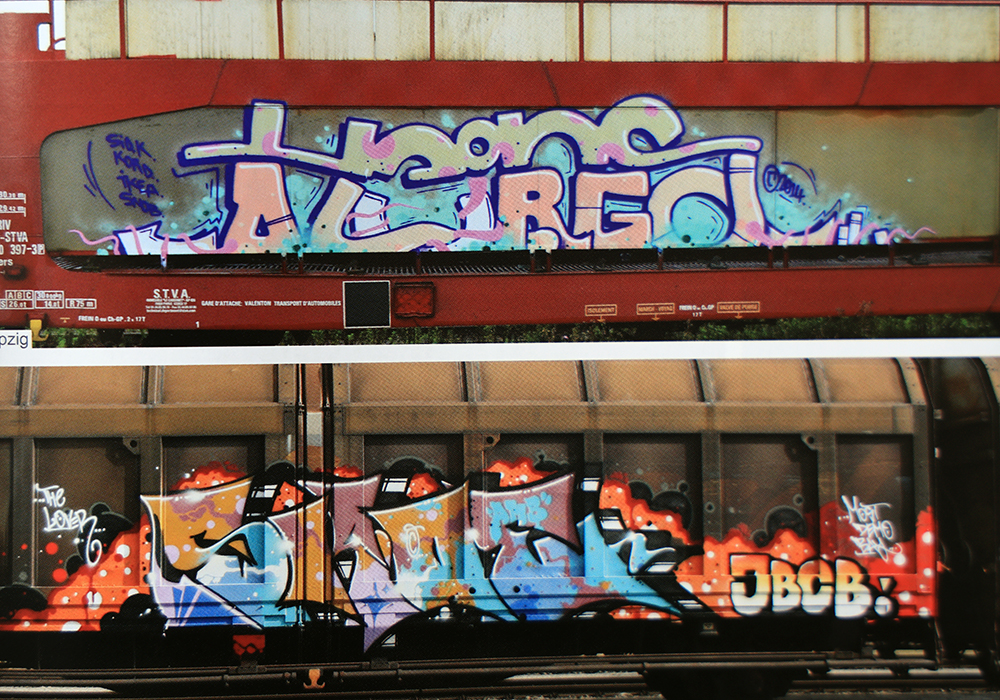
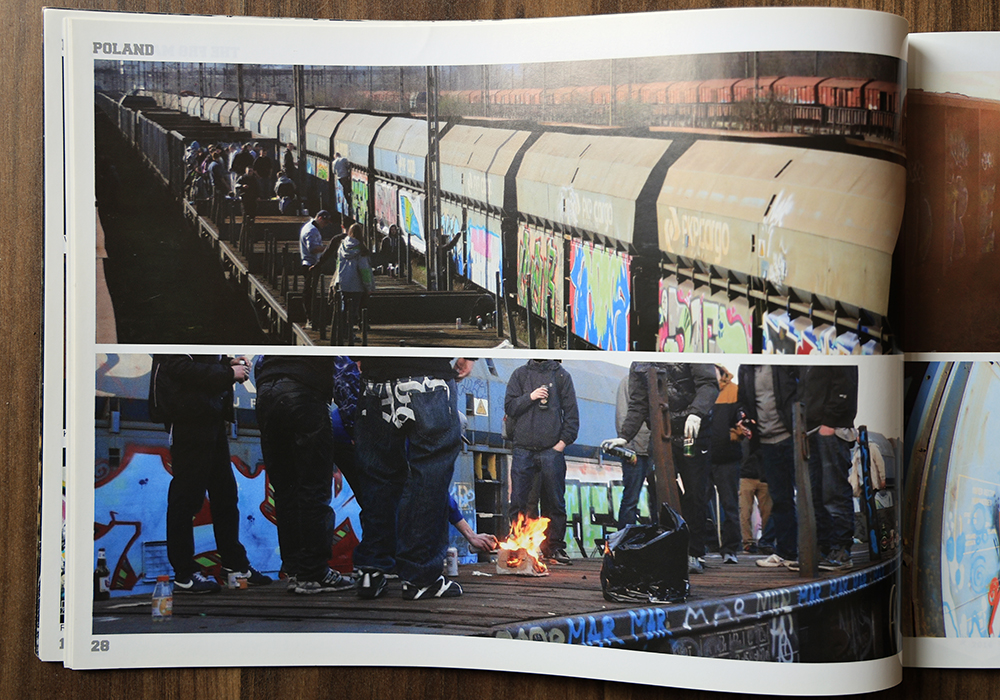
The FR8 Mag, managed to explore not just the Graffiti itself but the wider scene across Eastern Europe. How there seems to be an allegiance of crews coming together to jam, and in some instances, even throwing full BBQ’s in the yards, ha!
A juxtaposition to this is the now infamous US ‘Freight Train Graffiti’ book, by the aficionado, Roger Gastman. Without delving too much into this (as to many, it’s self-explanatory). The sheer scale of the US Railroad system is so extensive that the Graff scene that orbits it is now incredibly well-developed. So much so, a follow-up documentary by Gastman was released in 2021, called Rolling Like Thunder (See below).
I can’t remember when, but sometime back, I was approached by R about writing an account for a new UK publication. This publication would be the first of its kind and would aim to be as exhaustive as possible.
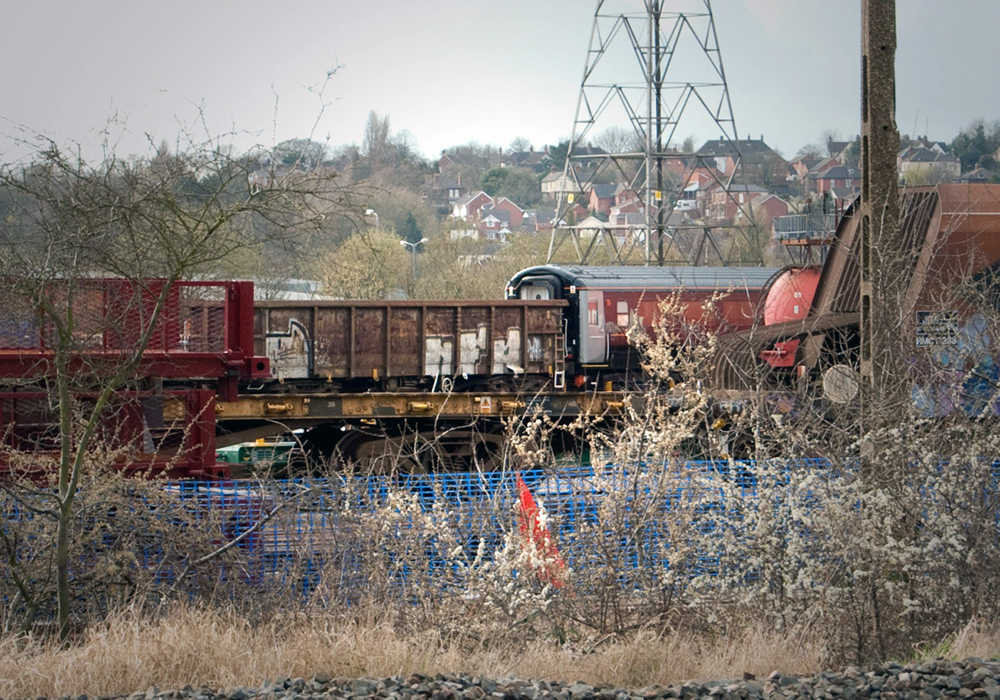
This occurs often, but I struggled with what to write about at first. However, like many things I create, when I get into a rhythm, I really enjoy it, the place it takes me, and knowing when to stop is more of a problem for me than anything. Not a bad place to be in sometimes.
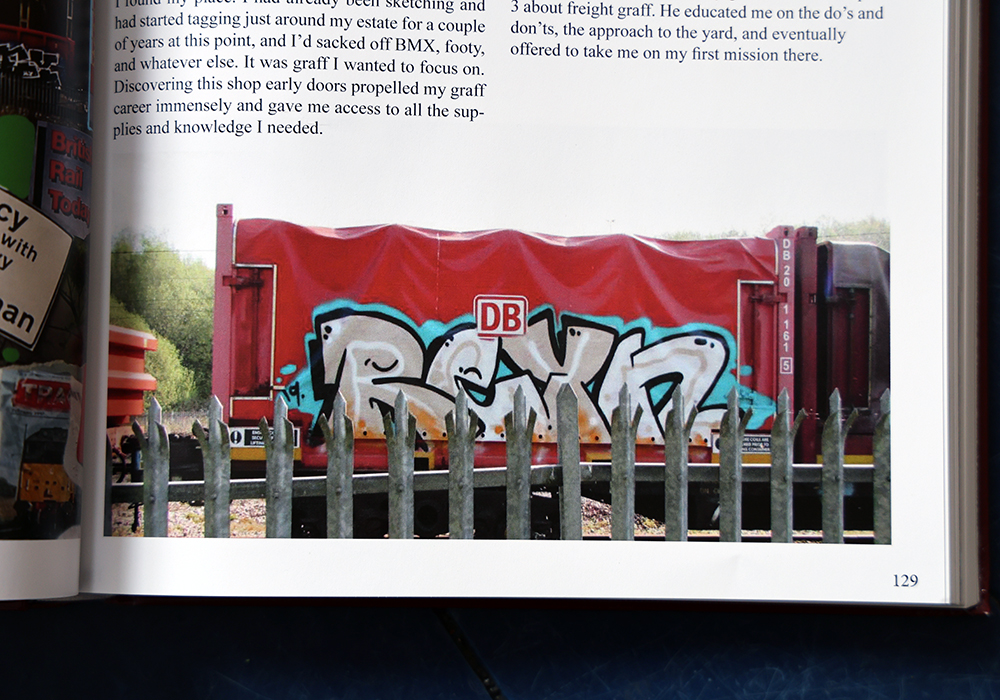
Enter, Faded Movement.
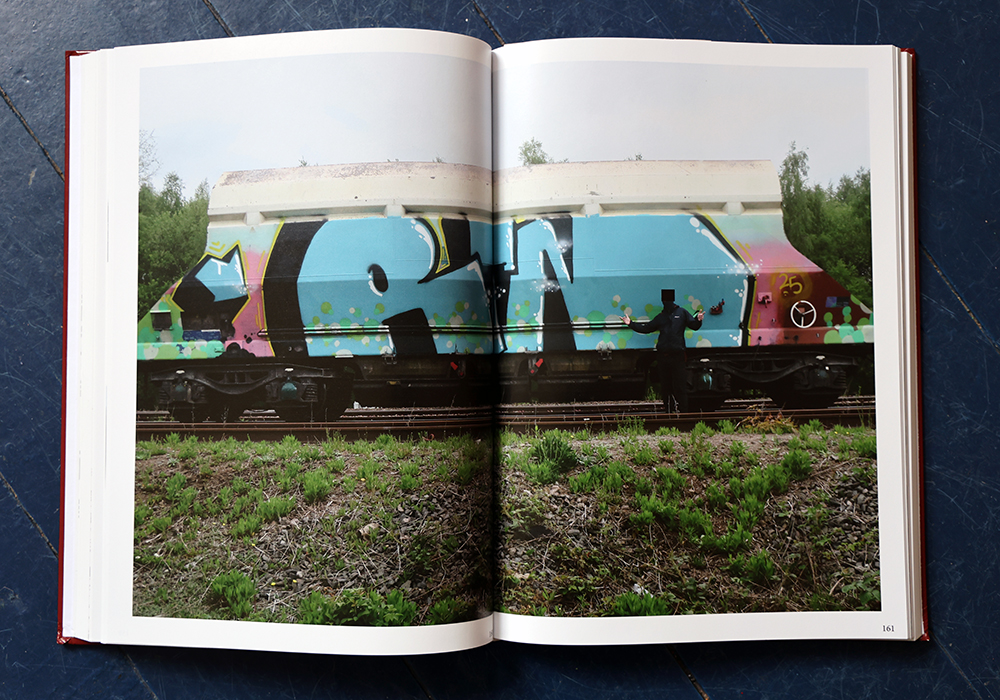
As the months have gone on, the hype for its release has begun to climb. The writer and publishers of FM Library teased at its content with clever snippets and brief edits, drawing us in to what could be found, once you’d invested in its pre-order.
It has to be said, there were A LOT of firsts with this book.
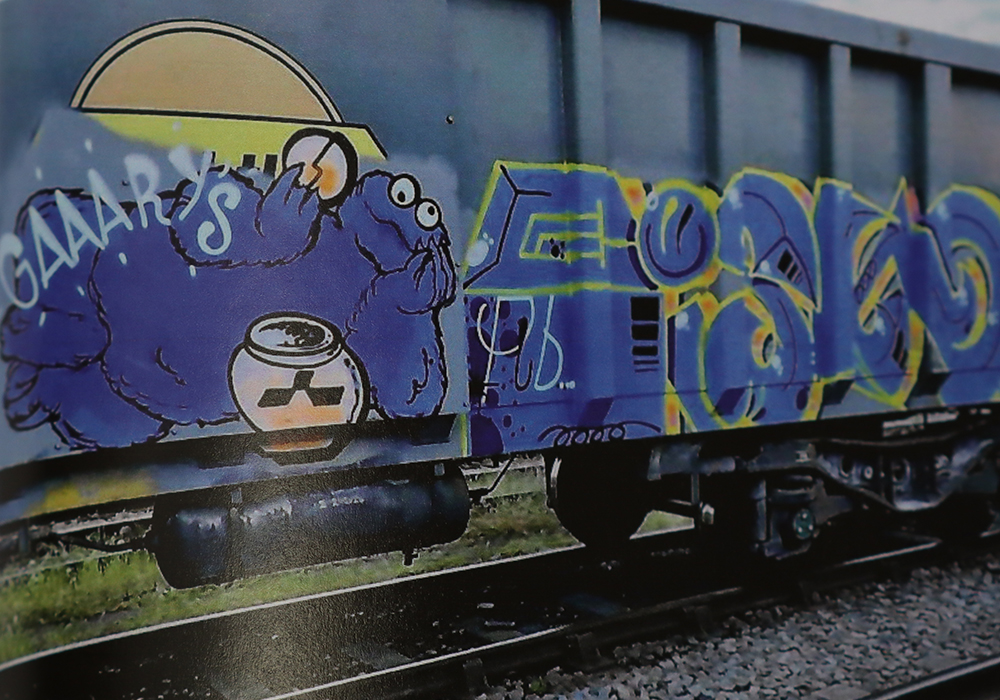
First time publishing, first time writing, curating, alongside interviewing writers (who have been selected due to both their geography as well as their history), and art directing a book. I guess the largest of them all, the first time a cohesive story has ever been told of UK Graffiti history, but specifically about freight train graffiti.
Presented in a hardback format, featuring short stories from dozens of UK writers that traverse 5 decades, across over 350 pages, I’m positive this was no small feat by any means.
At the time of writing this, there are now only limited stores where you can pick up a copy of this!
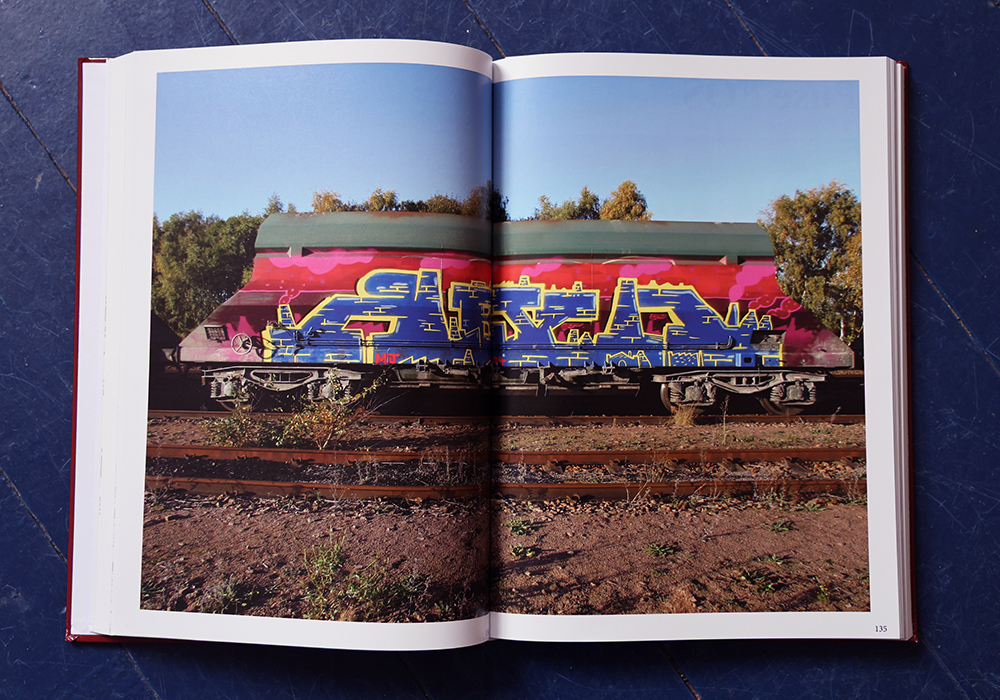
If you haven’t yet obtained a copy, and you’re serious about the history of the UK scene, be sure to treat this as an investment in the culture and those dedicated few who hold up this much slept on side of the scene.
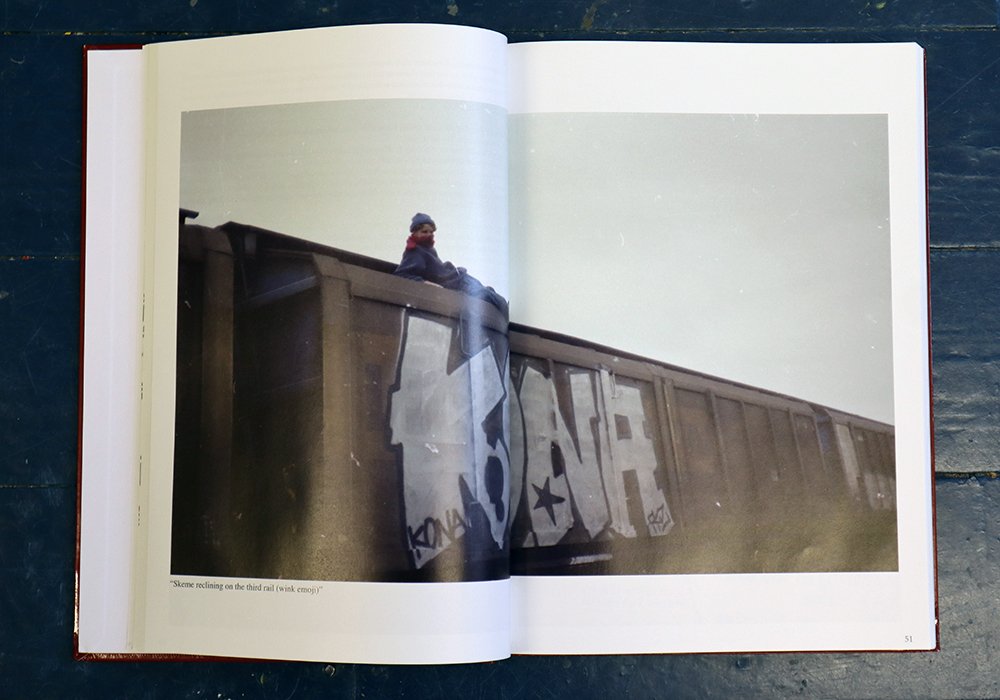
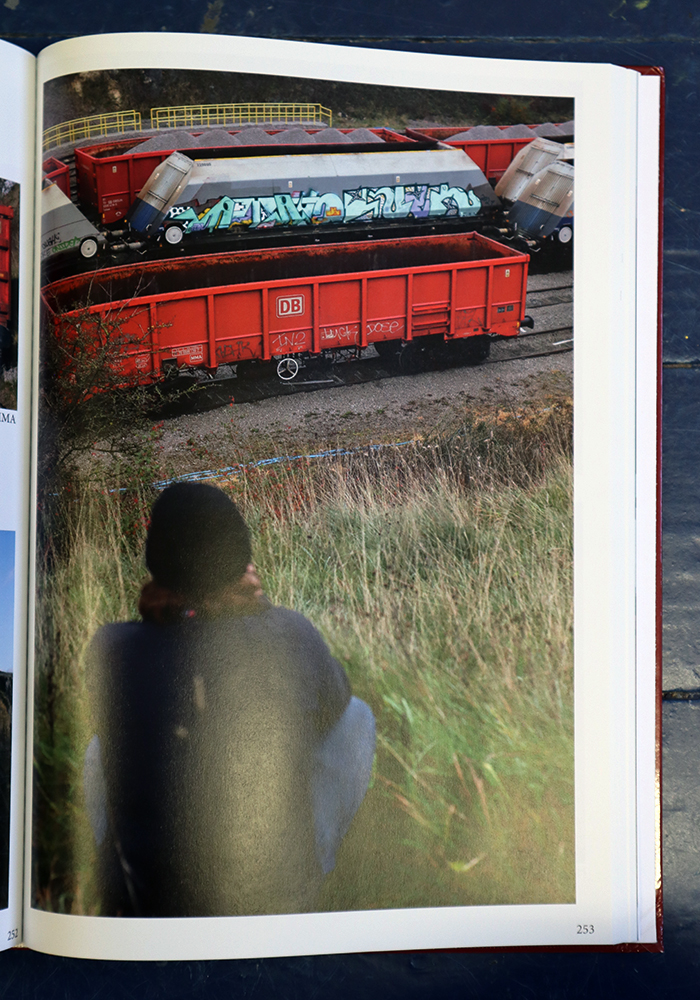
An extract from Faded Movement —
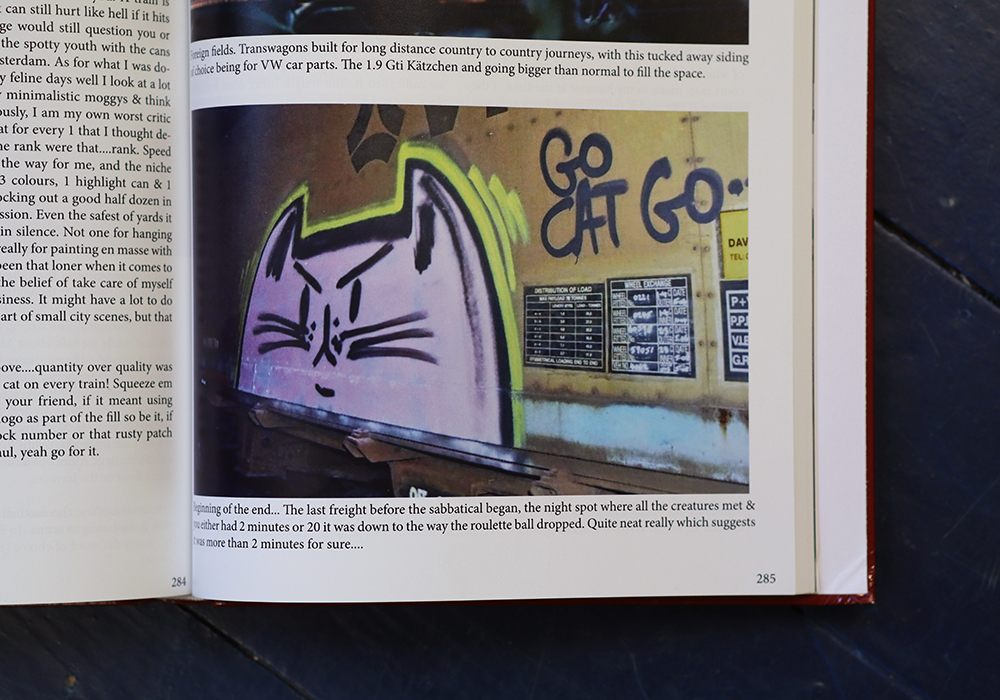
Not being directly linked to a wider rail network like mainline Europe and/or the US has had both a positive and a negative effect on the UK. Since Graffiti arrived in the UK in the 1980s, compared to our neighbours, we’ve had somewhat of a dappled, inconsistent scene for Graffiti on trains.
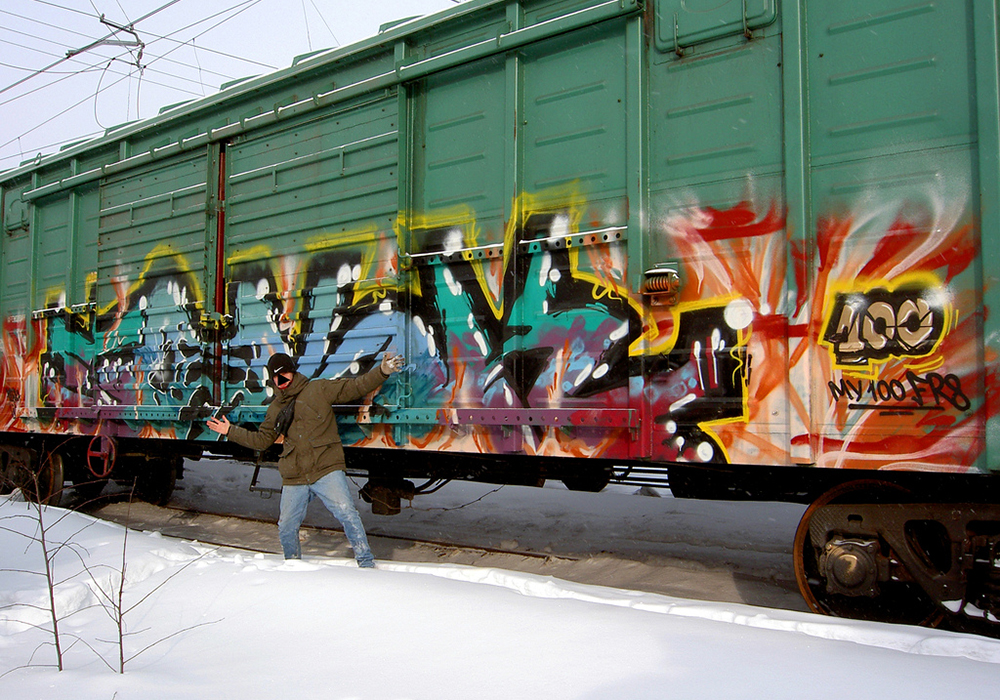
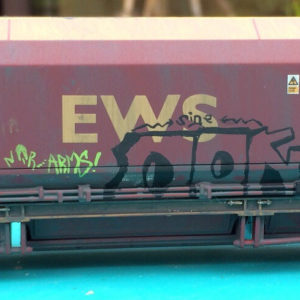
TOSK, UKRAINE C.2009
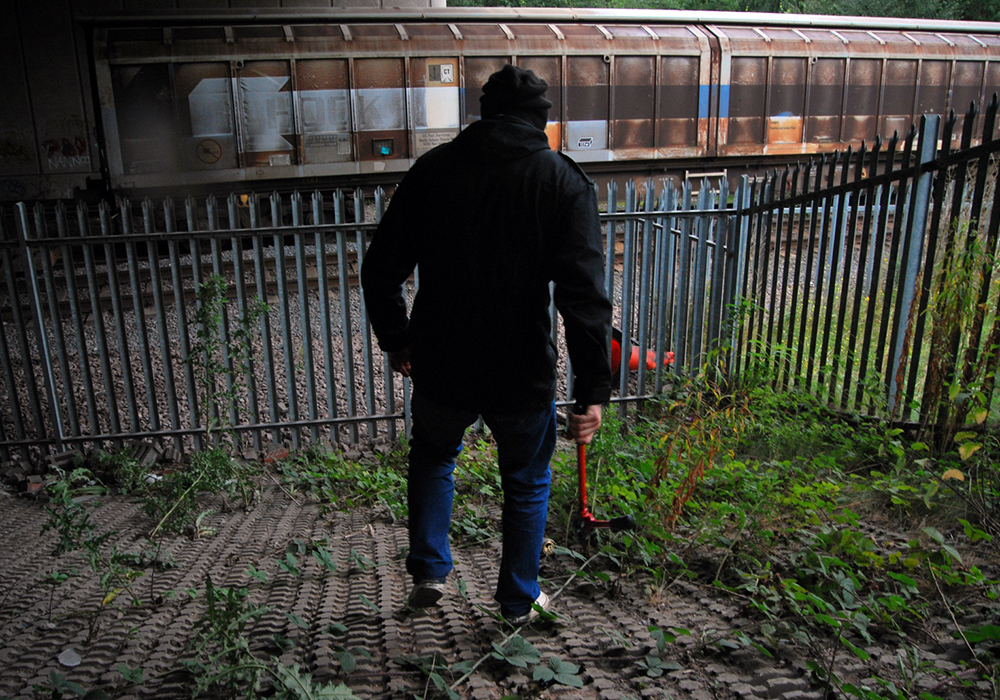
Photo by FROOT
Passenger trains have always been at the forefront, naturally, yet even this scene has seemingly ebbed and flowed at times; the last five years have seen it go from strength to strength; the online evidence is hard to ignore, it’s really cooking currently. The Freight Train Graffiti scene, by comparison, is only just now coming into its own. There is a distinct lack of documentation for this part of the culture. To stop and ask why, we should consider the following factors.
- Freights have always been deemed as the ugly, shitty little cousin of rolling stock, and so historically, a lot of (but not all) writers steered clear of it due to its lack of credibility. Of course, it goes without saying that freight trains were and still are key writers’ prey for many a year, but due to the awkward rust-filled shapes compared to a passenger train, something with more of an angular, heavily-riveted nature, such as a ‘Seacow’ for instance, isn’t worth the chase just for the headache it causes. On top of this, freight is merely a workhorse and so typically grimy, making the pursuit of these much more obviously abhorrent. Not that passenger trains are exactly clean, but most freight never gets cleaned in its life cycle. For the uninitiated, if passenger trains are Michelin star restaurants, freight trains are skips — Which would you sooner be seen dining at?
- During the 1990s and into the 2000’s, UK letter styles had common traits. Styles were a balance of inflated, top-heavy letterforms with skinny stems that, at times, appeared suspended, falling short like the underdeveloped limbs of a paraplegic. Pieces were made up of tightly formed ligatures and bars. The writing zeitgeist of the time was to construct your letters showing pockets of tension; skinny lines and intricate bar work, a warped body to the letter, with some element of flair to finesse the end of it. At best, this could make some of the most easily spelt names completely illegible. Looking back, it was a challenge in itself to paint some of these styles on something semi-flat, never mind corrugated steel.
- If you’d turned away from the more ‘popular’ styles and had approached a more classical Dondiesque style, and did fancy pursuing freights, you’d know that freight movements typically run during the night, which means the chances of getting spotted in traffic are slim to non-existent.
- In the late 2000s, the internet was on the precipice of exploding into its current form, and so before Google existed as it does today, you were limited to search engines such as Lycos, Mirago and Ask Jeeves to search for any remnants of uploads or information on the broader culture. Never mind something as nuanced as Freight Train Graffiti. You’d mostly land on an early Artcrimes site, which, due to dial-up internet, took around 3 hours to load a singular image. It’s safe to say it would take some time for the UK’s Graffiti community to catch up with the idea of forums and places to post work for others to see.
- Finally, taking everything above into consideration, most efforts for freight were poor. Knowing the layers of rust and filth that sat on them, it lent itself to be nothing more than a practising canvas. Chrome & Blacks were the common colour choice, and not a lot more. It was rarely taken seriously because of this.
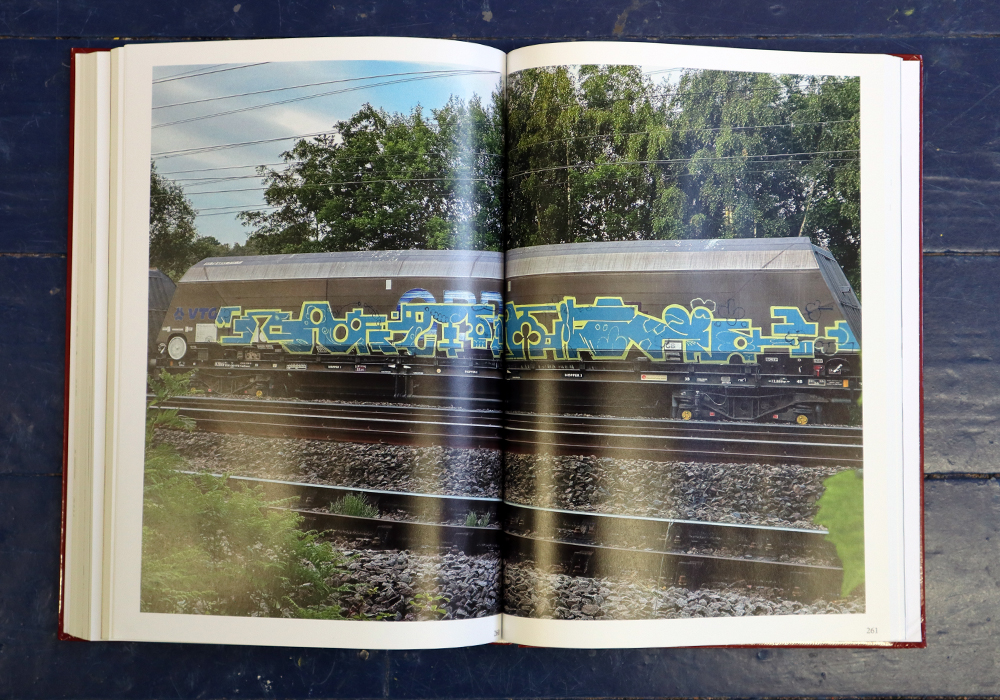
Eventually, the UK scene would finally cotton on to posting online via sites such as Fotolog. The positive effect this had can’t be described; it helped to transcend style and was the first time our community was given the chance to communicate en masse without having to meet in person. Unfortunately, BTP were also searching the same sites daily, looking to catch anyone out for their more nefarious activities. For some of the more active writers, BTP were successful in their efforts to locate, prosecute, and sentence. Those who learnt quickly moved to other websites such as Flickr, which offered a broader way to secure profiles, providing access to a rapidly growing community (that had seemingly learnt to keep their socks pulled up) that was constantly discussing new ideas for new works, alongside being able to view pieces large scale for the first time, due to digital photography and the advancements in uploading it.
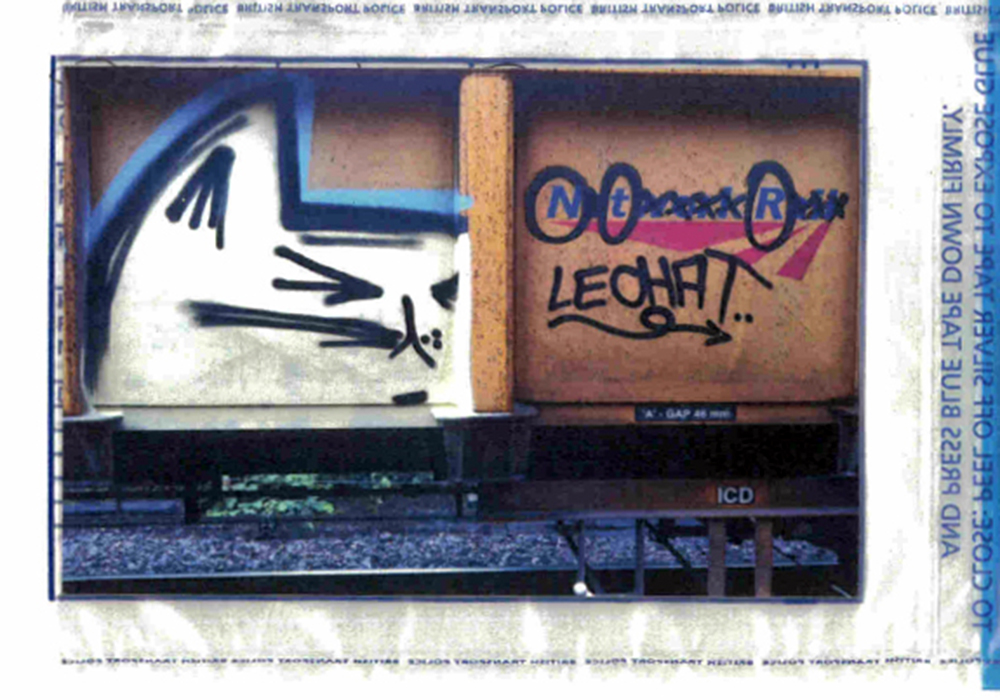
During this time, freight still wasn’t commonly talked or posted about, leaving a very small selection of writers across the UK who seemed into it. Sidings would be brimming with mostly untouched stock, and you could paint multiple carts at any point, without taking anyone else out. In my nearest yard, we’d see scrappy chromes still riding with dates from 12+ years ago.
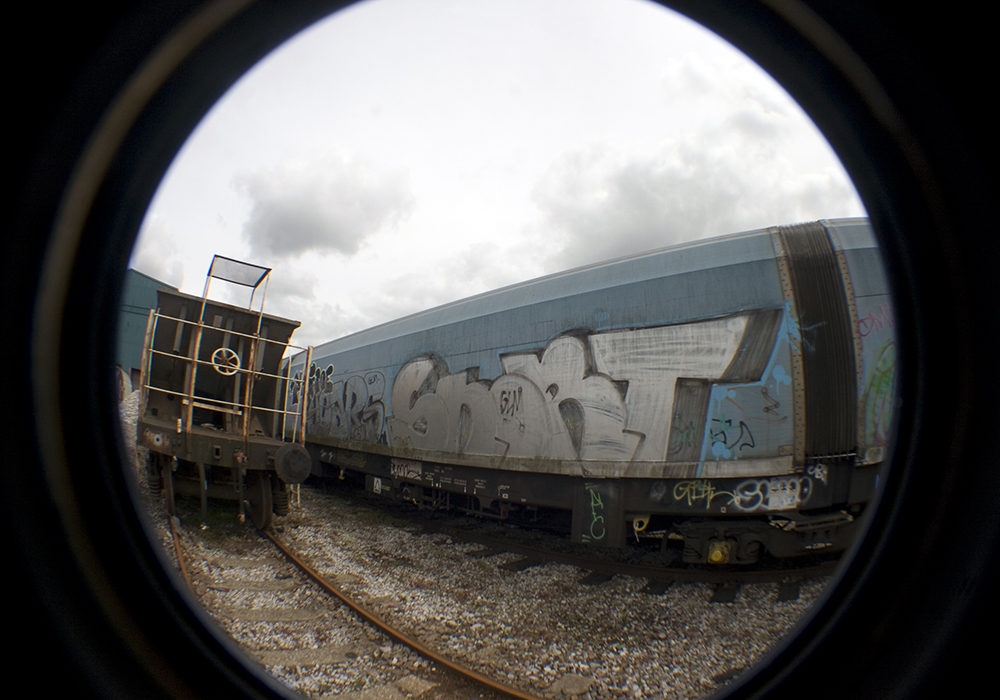
I recall a time when certain writers actively shunned others for painting freight as the elite panel scene continued to posture to maintain its relevance. Several things had an instant and a long-lasting effect on people’s feelings toward freight painting. Upon passing through Wembley c.2009 for at least 5 or more years, D had single-handedly destroyed a whole siding full of freight. They’d finished off an entire rake of freight; every piece or whole cart was full of colours. Something I’ve still not seen to this day so intensively. Anyone active at that time knew of it and would talk about it.
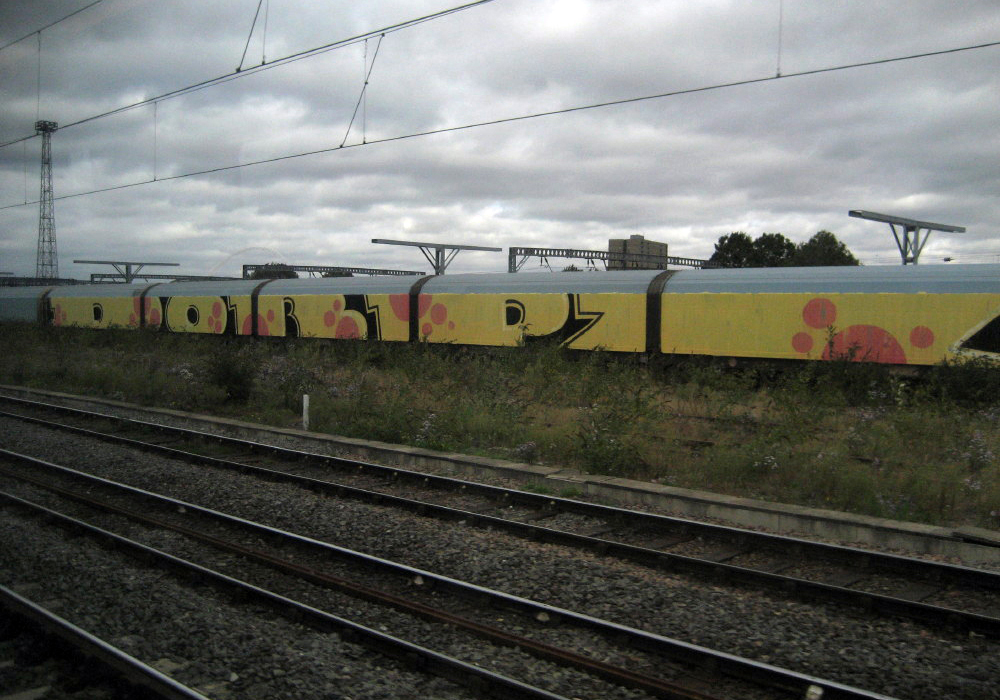
Around 2012, on the build-up to the London Olympics, alongside growing intolerance for train Graffiti from both the public and the government, we’d see a further string in BTP raids and prosecutions, even on writers long retired. Similar in some ways to how the mayor of NYC suppressed the actions of writers in the late 1980s, shortly, you’d go on to see infamous writers from our capital getting up on more freight. From these actions, a page had been turned and looking back, everything seemed to change from then on.
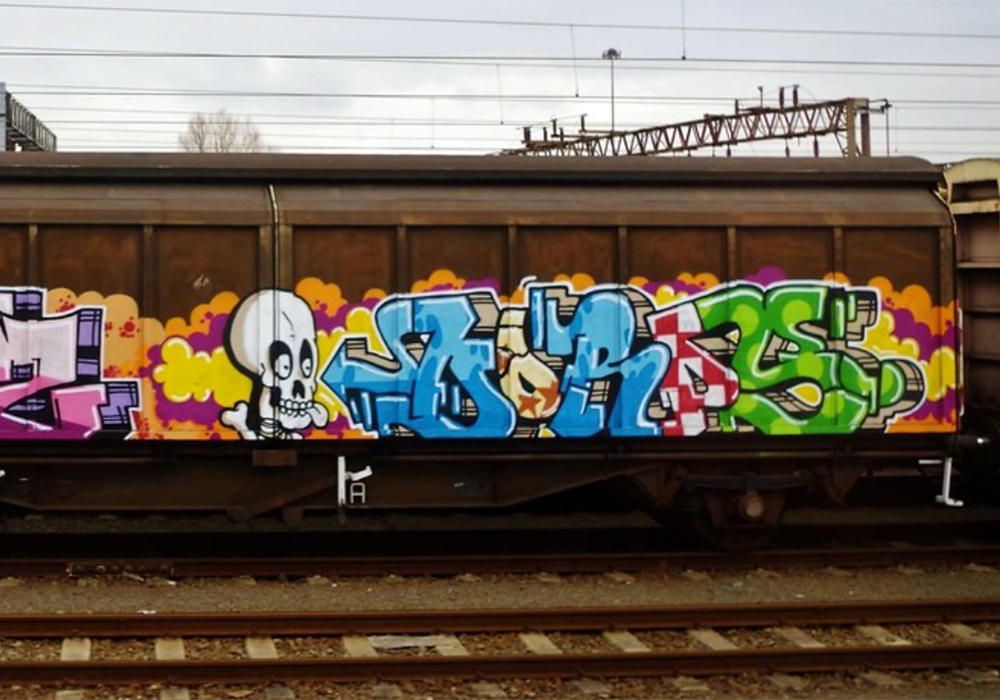
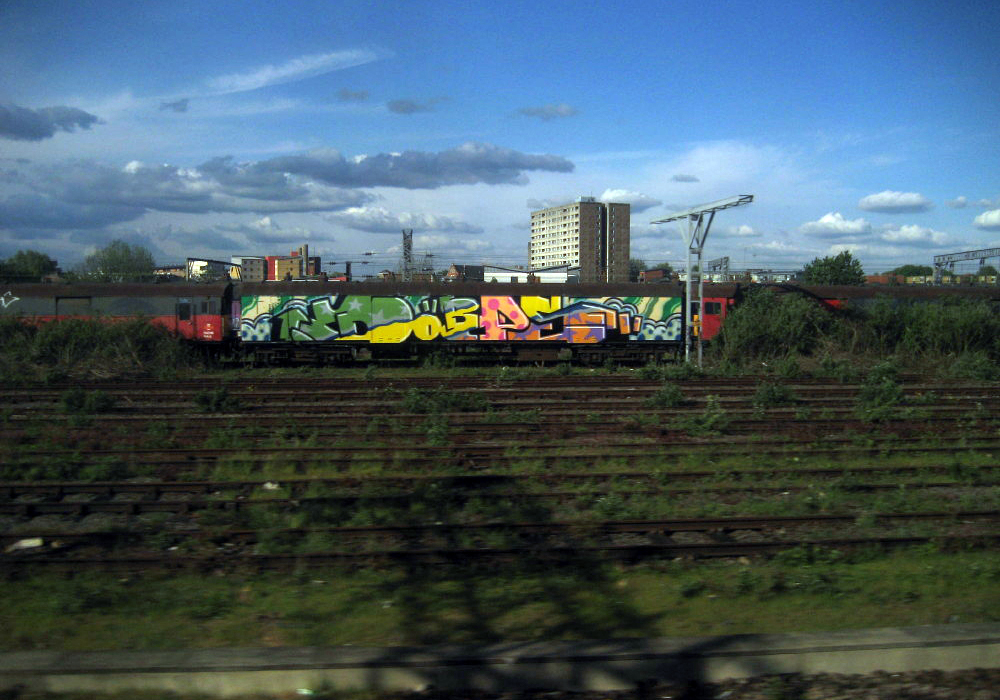
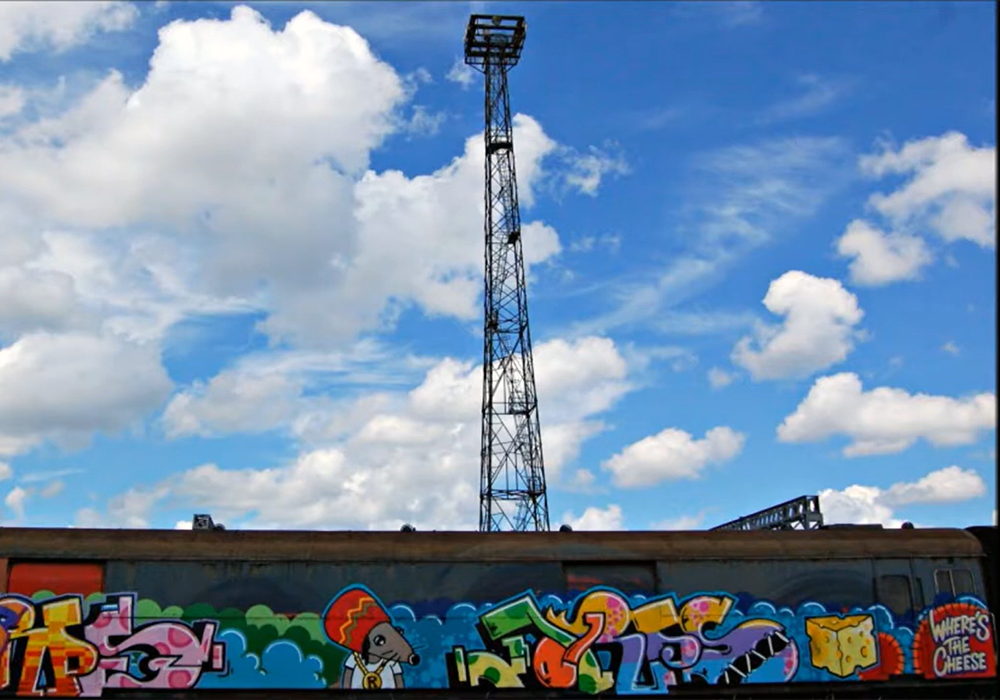
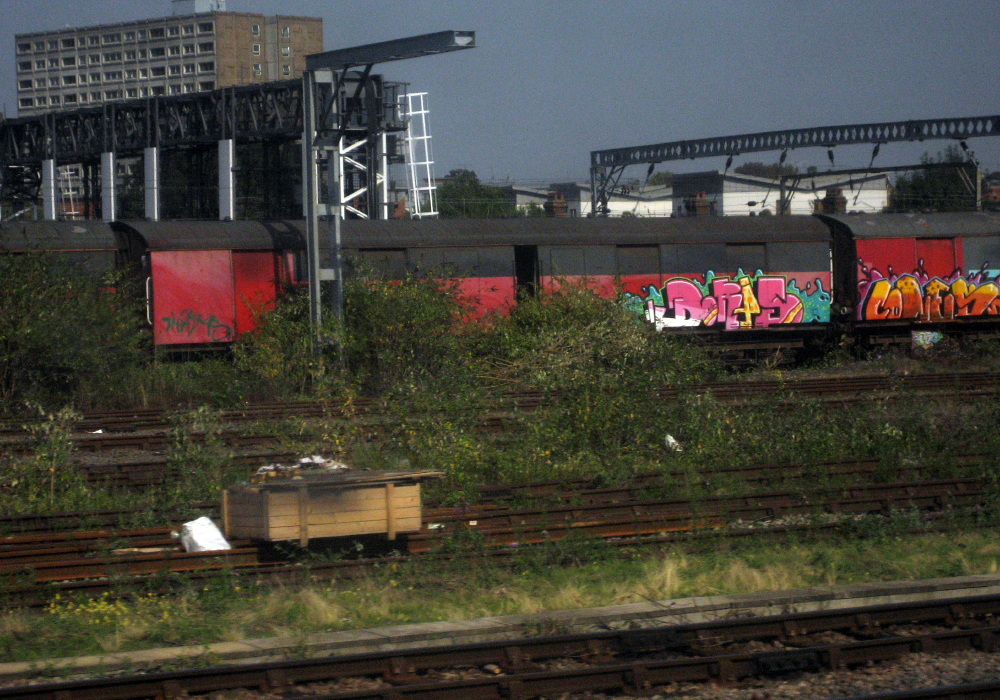
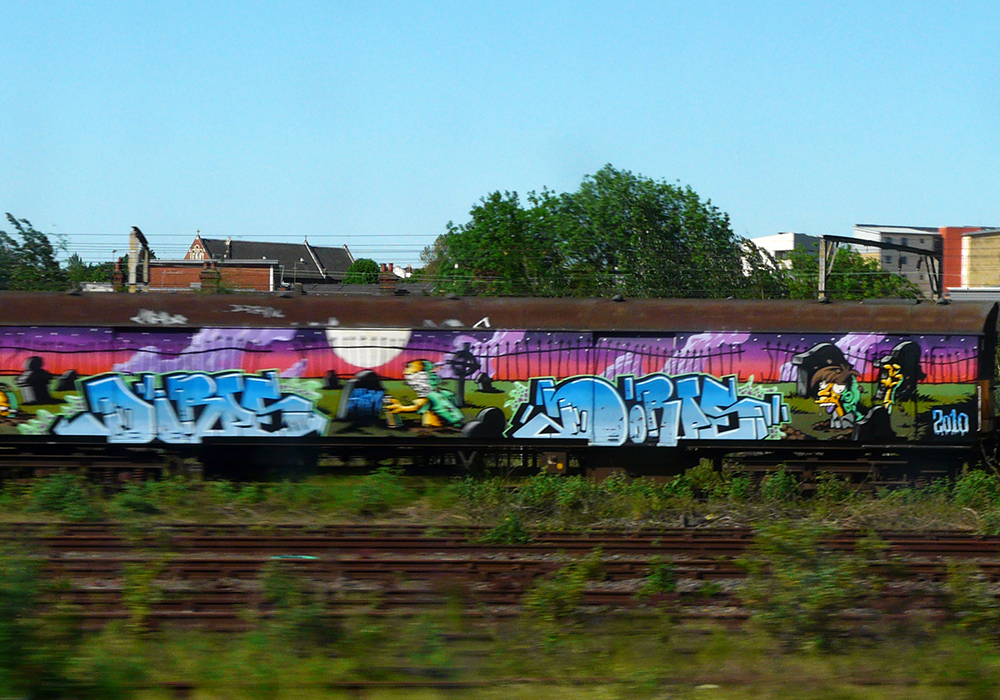
Writers saw the appeal of creating huge bodies of work, with a fraction of the risk of panels, and have works run nationally and over into Europe for up to ten + years. Taking time up ladders in a siding alongside the whole crew. Naturally, the pace of things escalated quickly.
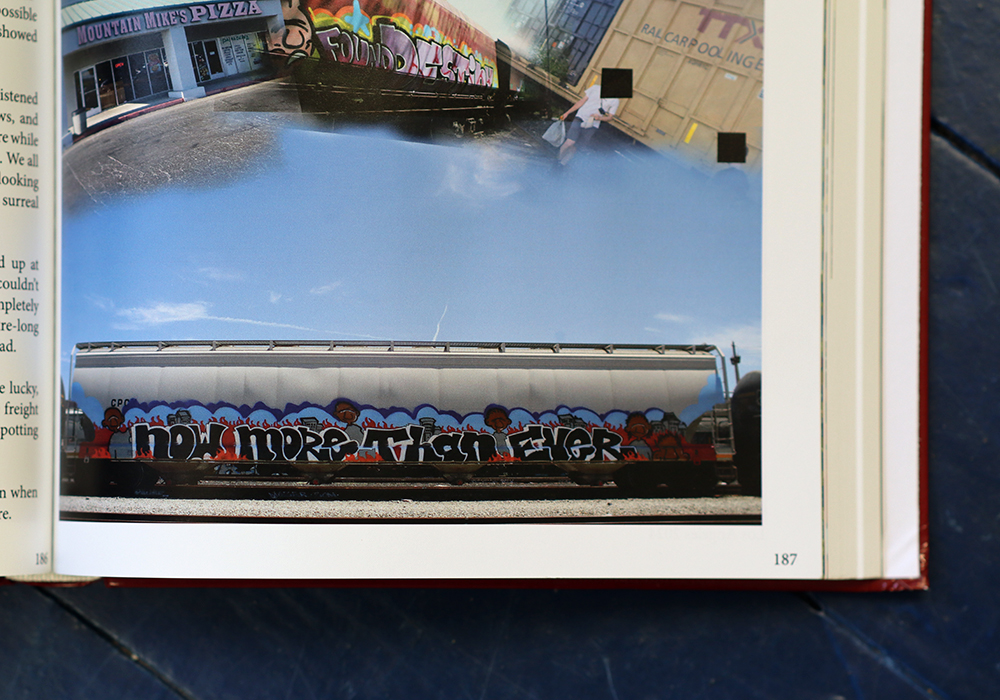
I remember LC sending me pics of model railway anoraks, who’d begun to paint their plastic freight to emulate the graffiti they were seeing in the real world. Anything to make their hobby seem life-like.
Regardless of what we feel about it, Graffiti is deeply linked to Fashion, and like fashion, trends are destined to occur. In what seemed like no time at all, to keep pace, the same writers who would publicly make negative comments in an attempt to amplify their own status would convert and go on to release zines celebrating UK freight culture to remain relevant. The tipping point is that freight Graffiti was not just being noticed but documented more heavily.
Soon enough, you’d hear chatterings both on and offline from what platform and which backjump to which depot rakes would bench at, and when they’d be moving on. I remember being at a jam and getting into a conversation about a Rail Depots Directory. At the time, this book outlined every depot’s location and the depot’s purpose, such as fixing bogeys and resprays. Heads, who had been keen to know the inner workings of passenger trains, now started to pursue freight much more aggressively. Perhaps it was just another string to their bows, but one thing is for sure: years later, it’s finally taken seriously.
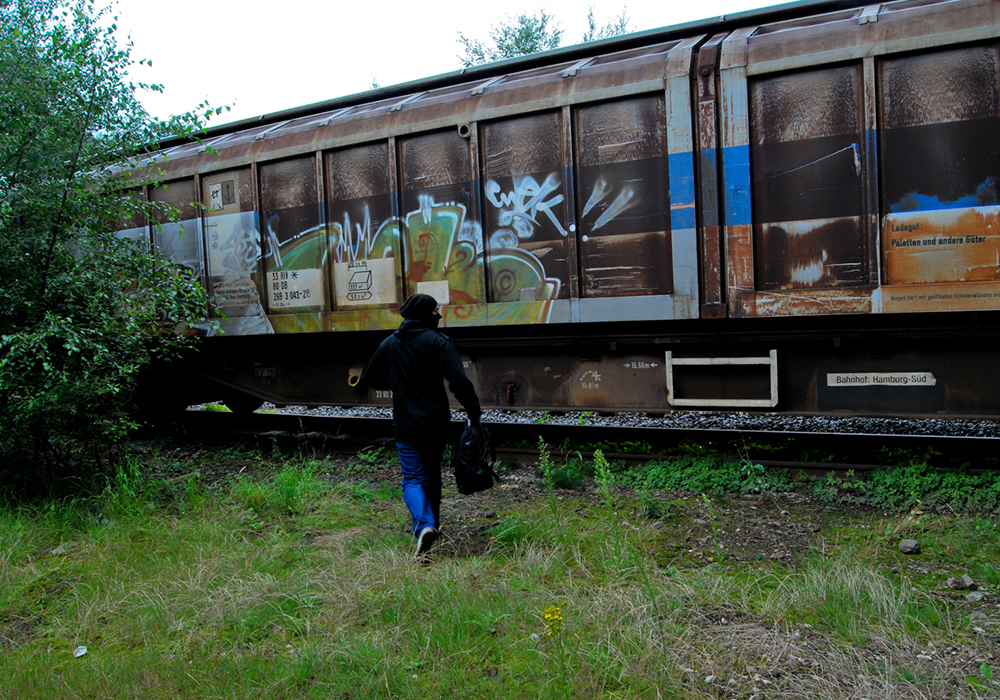
Photo by FROOT
I feel, as a culture, though, we don’t learn all too well. Writers online are still too overzealous for my liking. Account names that fully out themselves, or dry snitching by tagging others in posts, for some odd attempt at clout. Now in 2026, there are so many online accounts full of graffiti on trains. Freight trains are no exception.
It’s part of the culture that still feels more nuanced to me; Freight might not be as ‘glamorous’ as chasing passengers, but it has a little more skin in the game due to its longevity.
Leave the cart numbers clear.
Keep it off the internet.
Panels for show.
Freights for a pro.